
For more than 135 years, Headingley Stadium has stood at the heart of Yorkshire sport, evolving from a patch of open land on the outskirts of Leeds into one of the most famous sporting venues in the world.
The site was acquired in 1889 from the Cardigan Estate and developed by the Leeds Cricket, Football and Athletic Company, creating neighbouring cricket and rugby grounds that would go on to shape the sporting history of a city and a region.
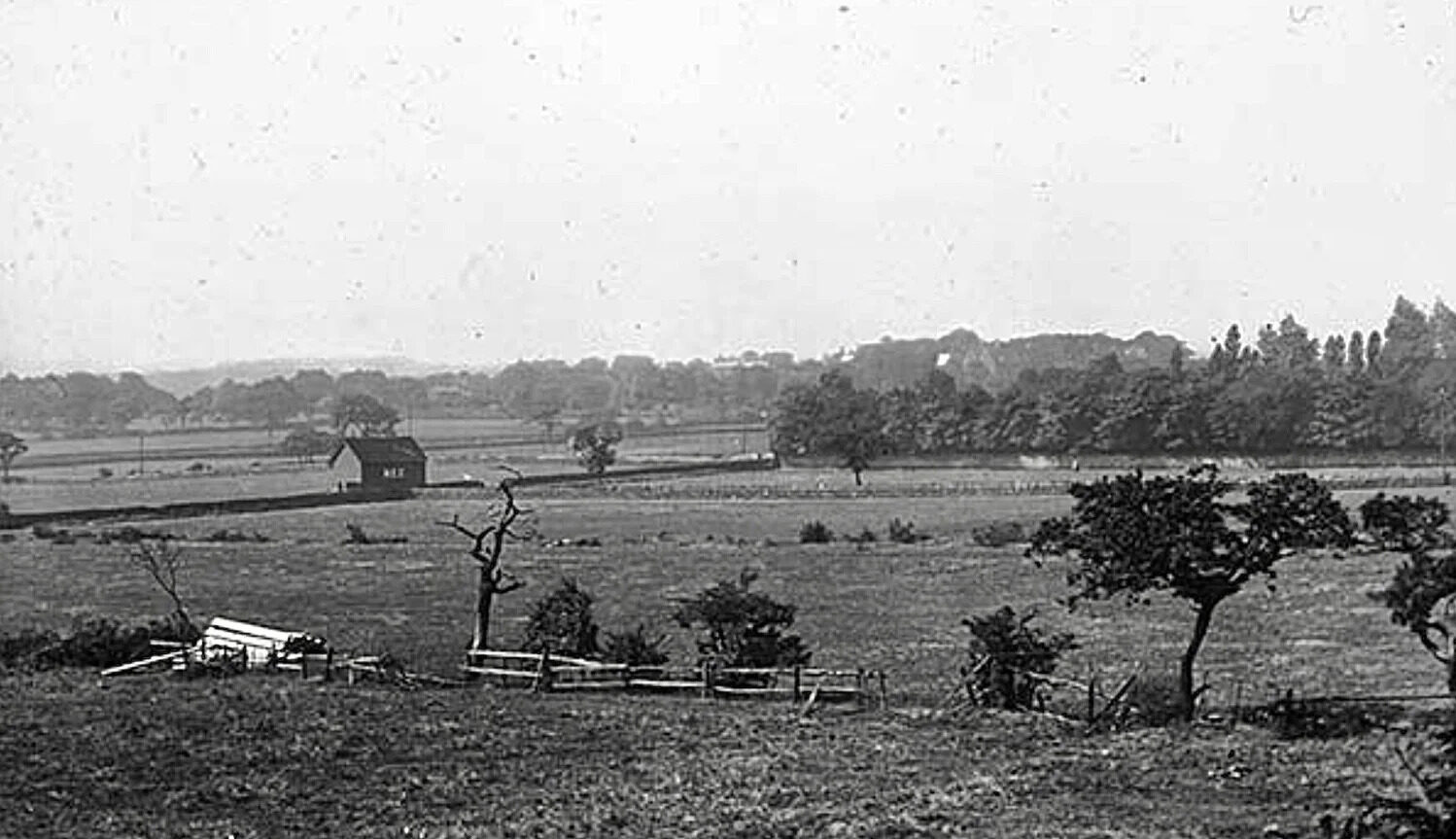
Within a year, the first matches were being played, laying the foundations for a venue that would become synonymous with sporting excellence.
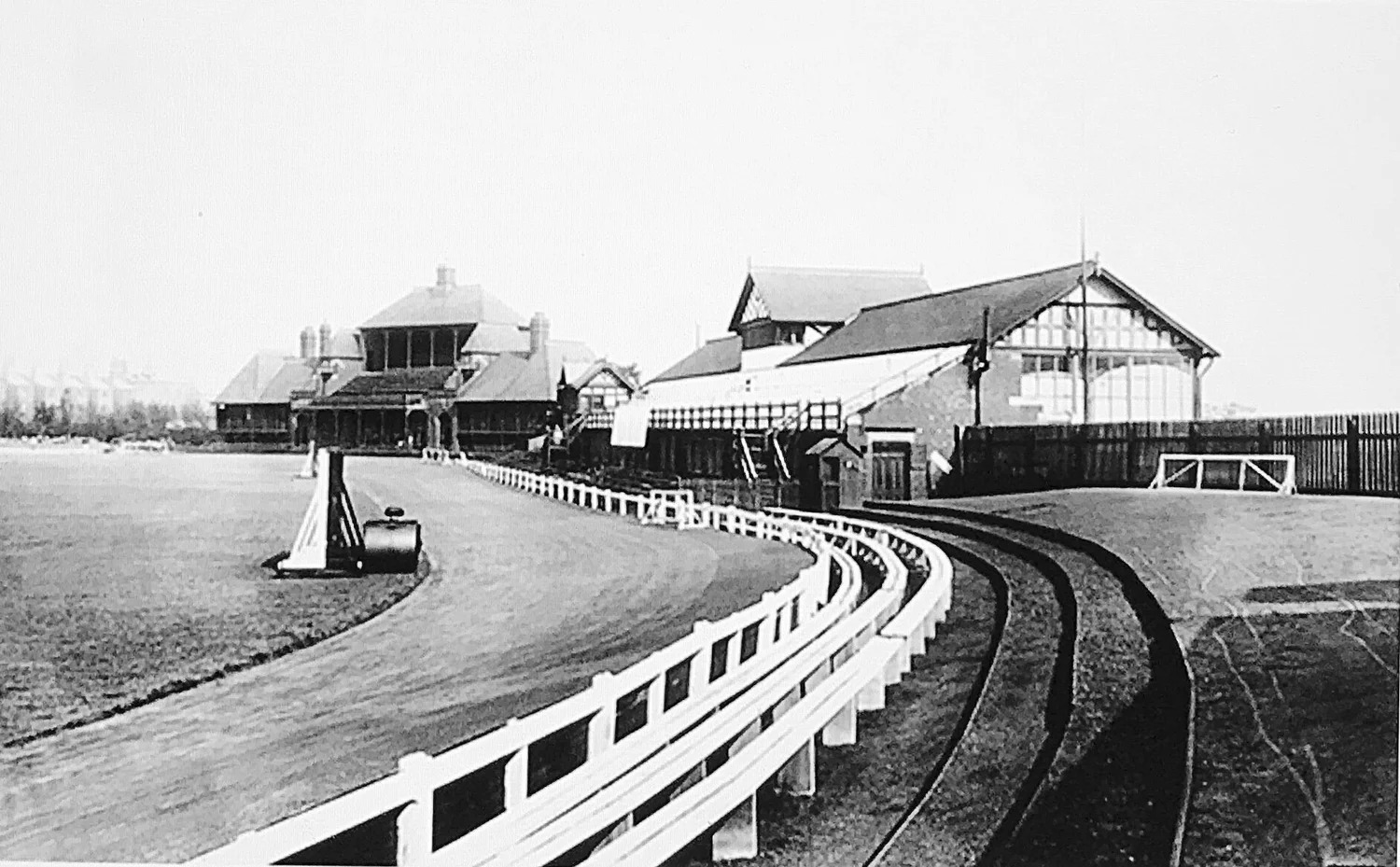
The cricket ground officially opened in 1890 and soon became the home of Yorkshire County Cricket Club, while the rugby ground welcomed Leeds Rugby Club. By 1899, Headingley was hosting Test cricket, beginning a relationship with the international game that continues to this day.
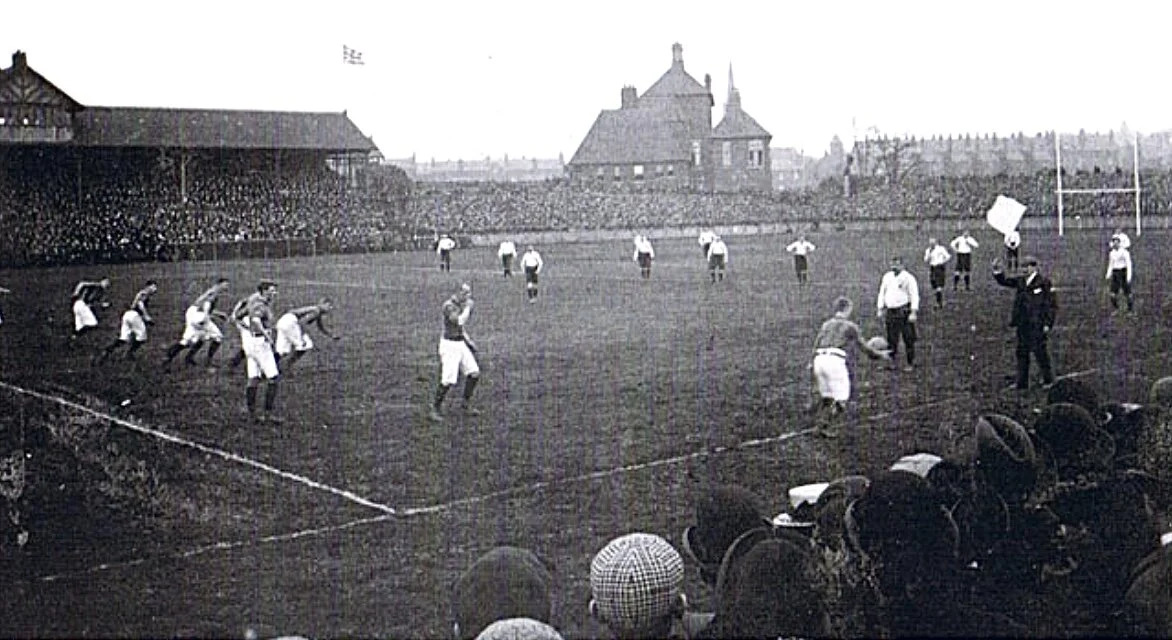
In its early decades, the stadium quickly established itself as a premier sporting destination. It hosted the first ever Rugby League Challenge Cup Final, welcomed the famous touring New Zealand All Golds in 1907 and regularly attracted some of the largest sporting crowds in the country.
One of the most significant events in Headingley’s history came in 1932 when a devastating fire destroyed the original North Stand on the rugby ground. At the time, the stand was one of the stadium’s most prominent features and its loss could have dealt a major blow to the venue’s future.
Instead, the disaster became a symbol of Headingley’s resilience. The stand was rebuilt and the stadium continued to grow throughout the twentieth century, hosting major rugby league fixtures, international cricket and some of the biggest sporting occasions in the country’s calendar.
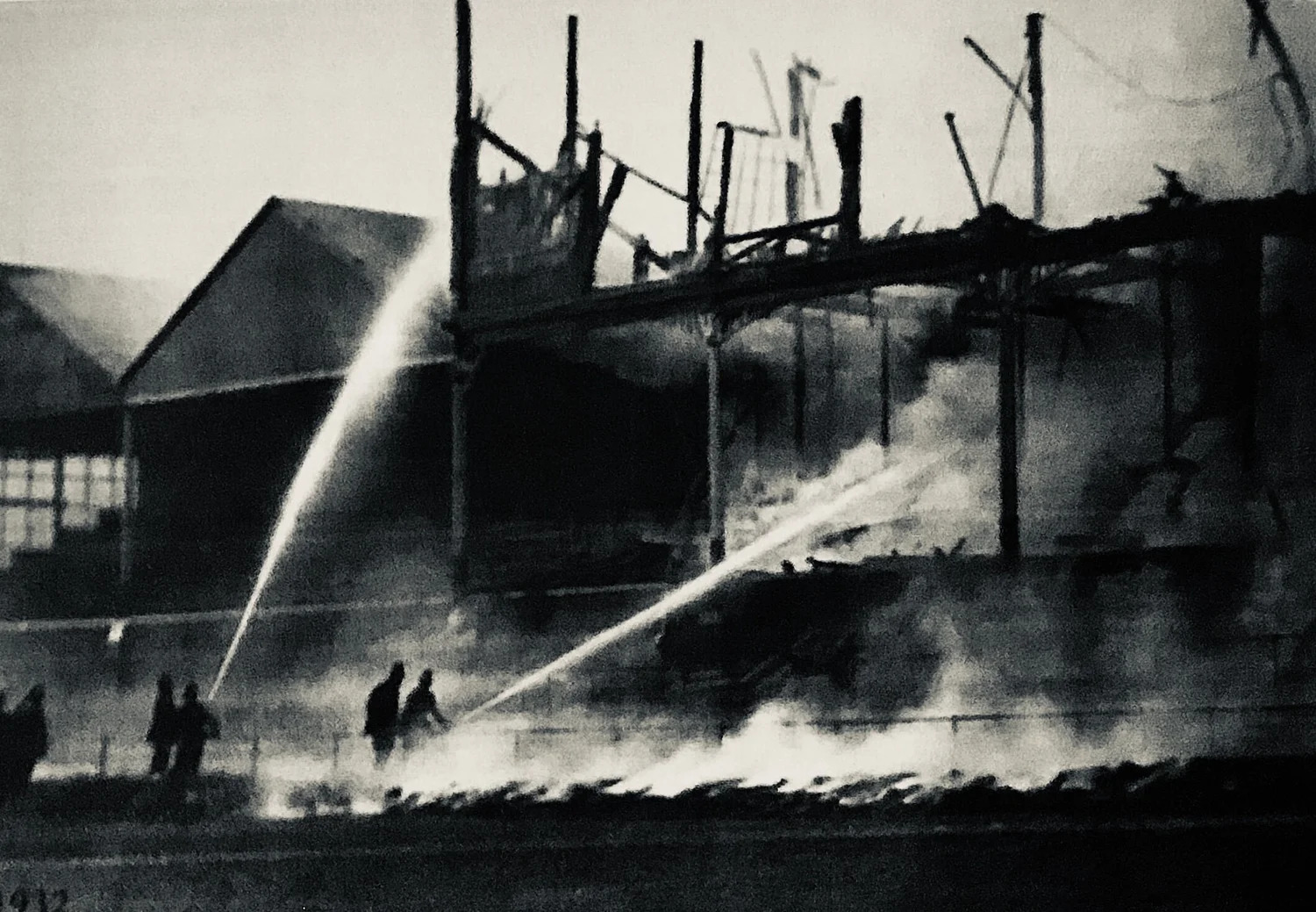
The rebuilding effort reinforced Headingley’s status as a venue capable of overcoming challenges and adapting to meet the demands of future generations, a characteristic that has defined its development ever since.
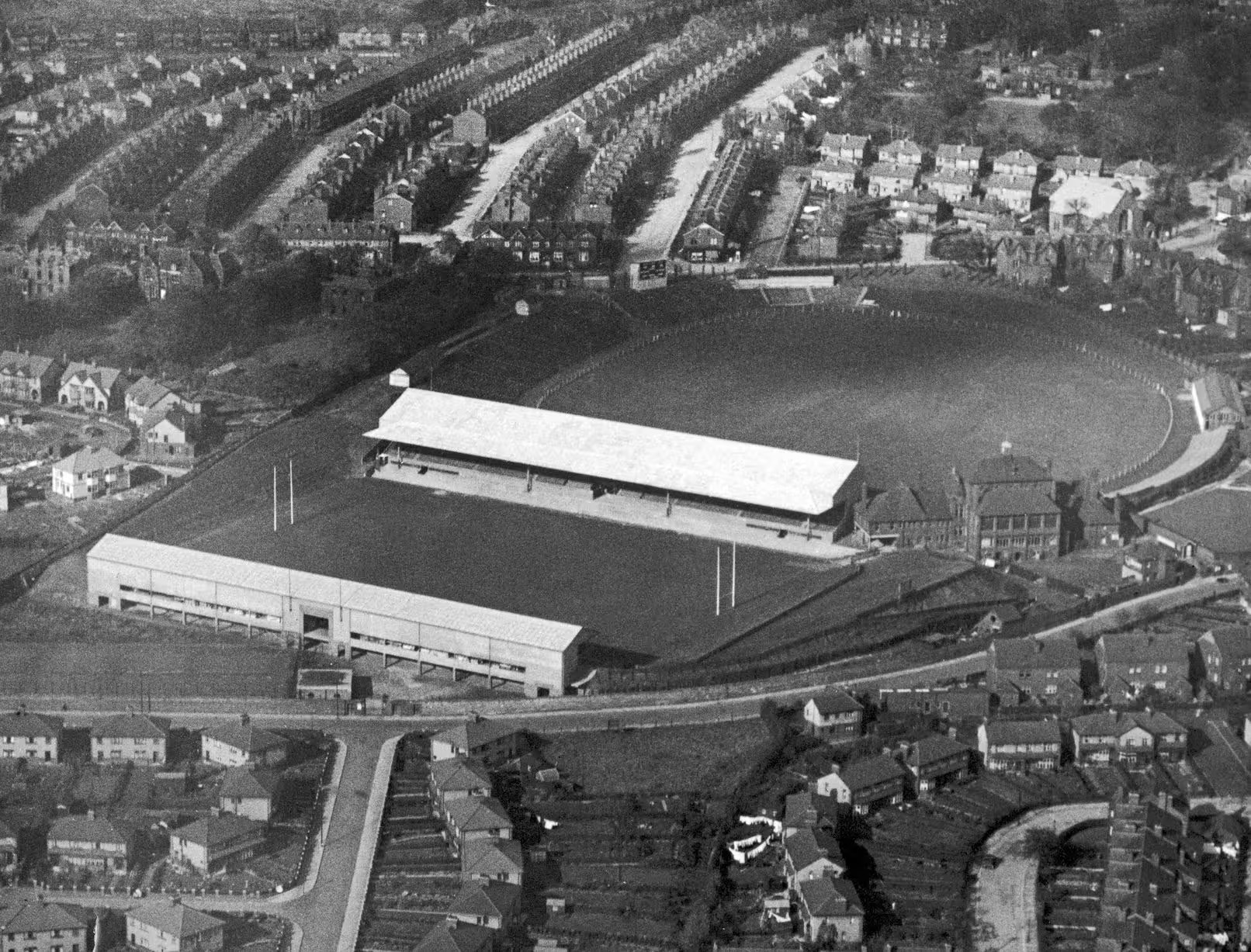
Over the years, Headingley has witnessed moments that have become part of sporting folklore. On the cricket field, no occasion is more famous than the 1981 Ashes Test. Facing almost certain defeat, England produced one of the greatest comebacks in sporting history, inspired by Ian Botham’s extraordinary innings of 149. “Botham’s Ashes” remains one of the most celebrated matches ever played and is forever linked with Headingley’s name.
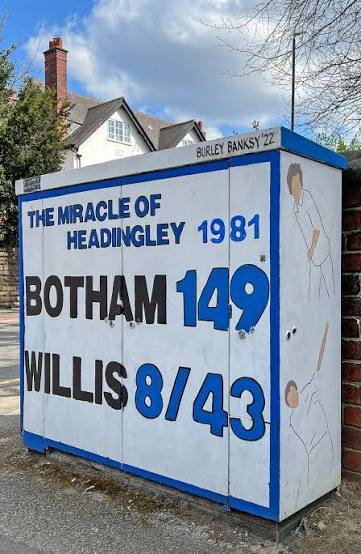
Almost four decades later, the stadium once again became the setting for cricketing greatness. In the 2019 Ashes, Ben Stokes produced his remarkable unbeaten century against Australia, guiding England to an astonishing one-wicket victory. Widely regarded as one of the greatest Test innings ever played, it reaffirmed Headingley’s reputation as a venue where the impossible can happen.
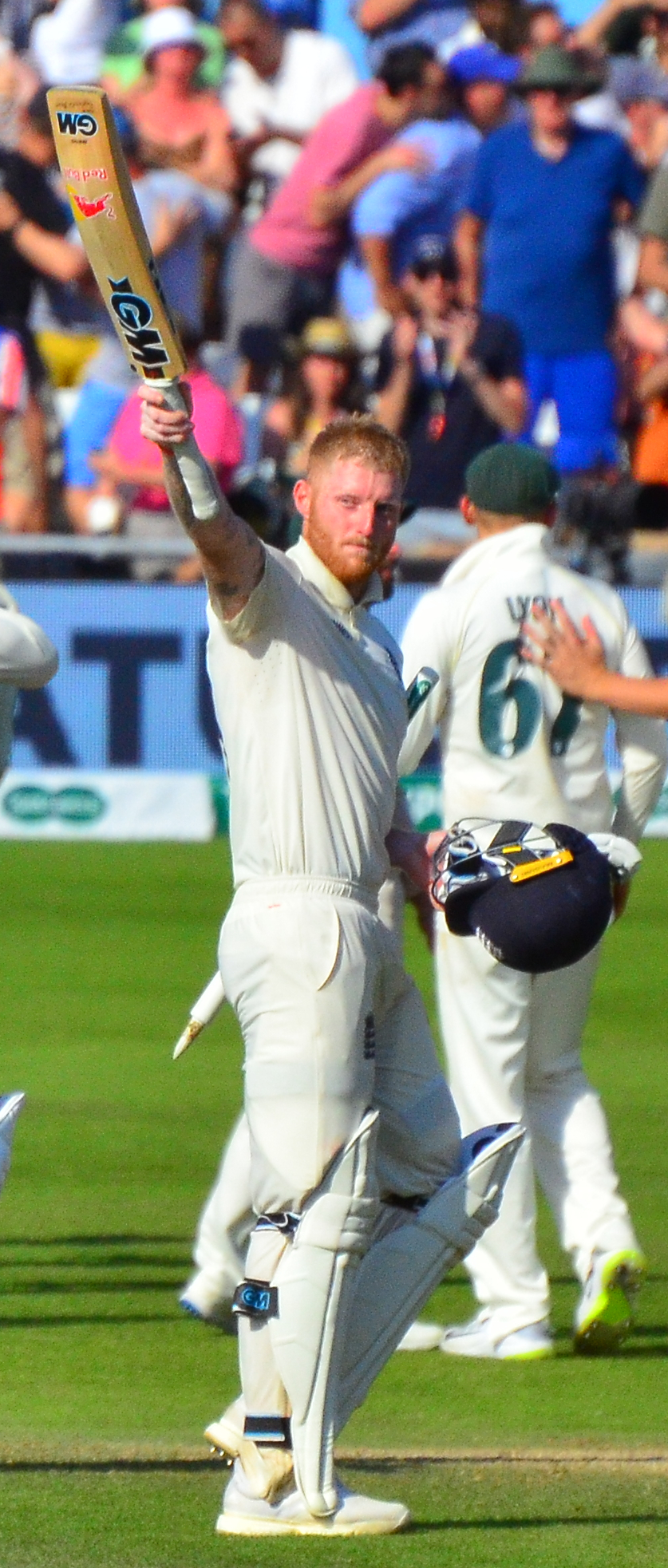
The rugby side of the stadium has its own extraordinary story. Headingley has been home to Leeds Rhinos throughout the club’s history and has witnessed countless championship victories, Challenge Cup triumphs and iconic performances.
Few players are more closely associated with the stadium than the late Rob Burrow. Despite being one of the smallest players on the pitch, Burrow became one of the biggest names in rugby league, inspiring supporters with his speed, determination and incredible talent. His legacy extends far beyond the game and continues to resonate throughout the stadium today.
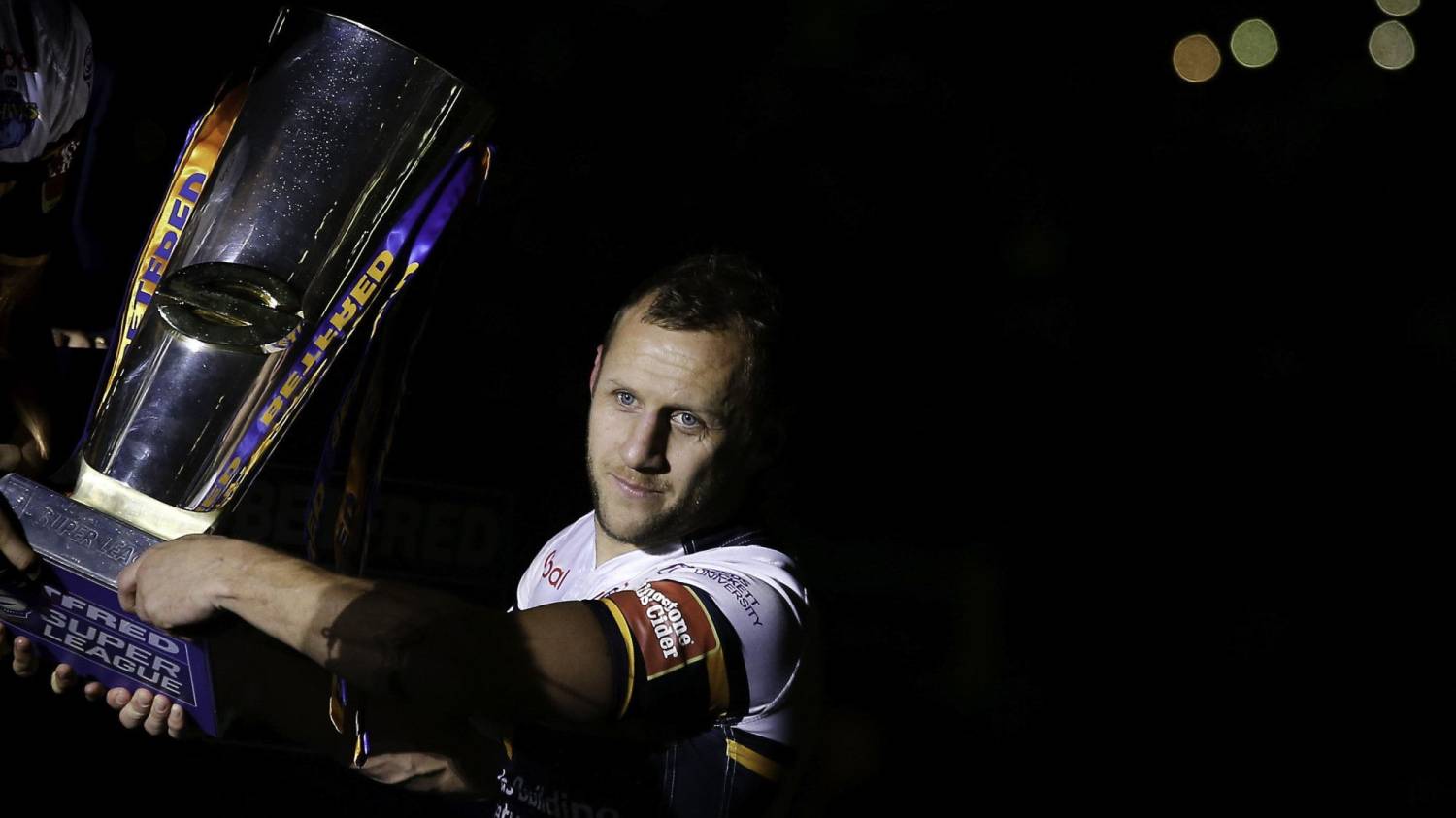
Alongside him stands another Headingley icon, Sir Kevin Sinfield. One of rugby league’s most decorated players and respected leaders, Sinfield captained Leeds Rhinos during the club’s golden era, helping secure multiple league titles and Challenge Cups. Together, Burrow and Sinfield represent the resilience, passion and excellence that define Headingley’s sporting heritage.

The stadium’s history is also one of continual evolution. After the North Stand was reconstructed after the 1932 fire, the stadium continued to host international cricket, rugby league internationals and major sporting occasions throughout the 20th century, before undergoing a transformational £45 million redevelopment completed in 2019. The redevelopment preserved the stadium’s character while creating world-class facilities for a new generation.
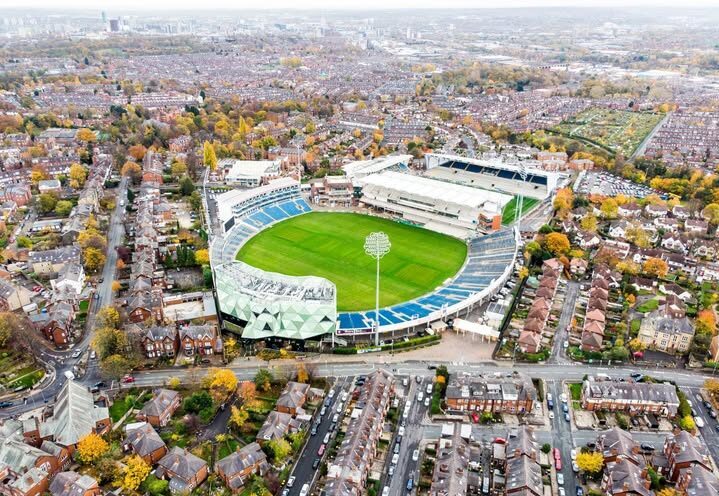
Today, Headingley Stadium is much more than a sporting venue. The same setting that has welcomed legends such as Botham, Stokes, Burrow and Sinfield now provides a unique backdrop for conferences, exhibitions, gala dinners, award ceremonies, weddings and celebrations.
From the historic Long Room overlooking the famous cricket pitch to the Howard Suite with panoramic views across two international stadia, every event is enhanced by the atmosphere of a venue steeped in history and achievement.
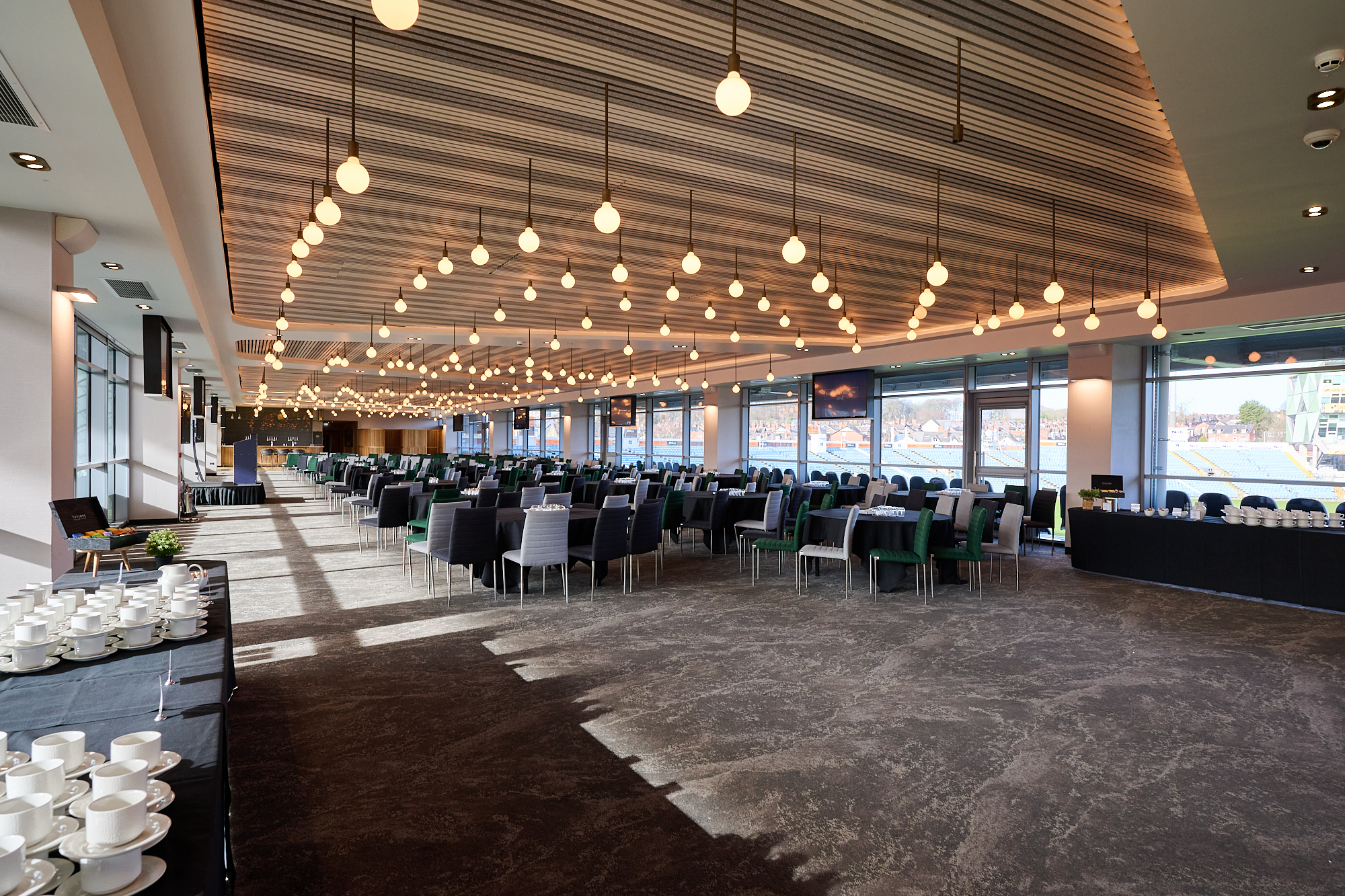
At Headingley Stadium, history is never far away. Whether hosting world-class sport, business conferences, gala dinners or graduation celebrations, the venue continues to create moments that matter. More than a century after its foundations were laid, Headingley remains one of Yorkshire’s most iconic destinations – a place where legends have been made and where new stories continue to be written every day.